How to Implement a Reward System in the Classroom?
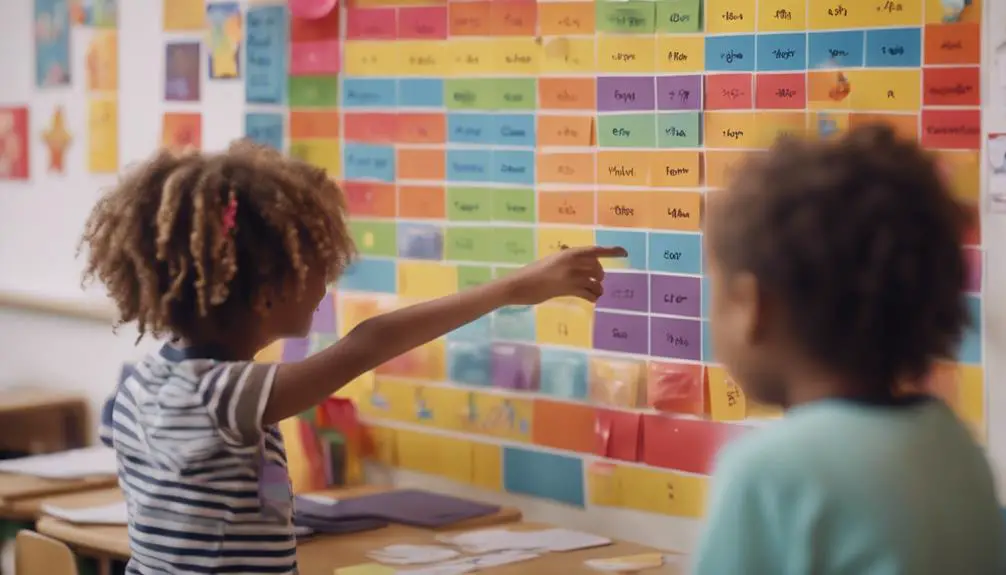
Build a dynamic reward system that empowers students and enhances engagement—discover the key strategies that could revolutionize your classroom today.

TeachCatalystAI is a professional teaching assistant tool designed to help teachers create lesson plan, teaching materials, and many more with ease. Our AI-powered tool will help you streamline your classroom management, making it easier to keep track of students, assignments, and behavior. Our AI-powered tools and templates are great and configured to make you effective in teaching.
Build a dynamic reward system that empowers students and enhances engagement—discover the key strategies that could revolutionize your classroom today.
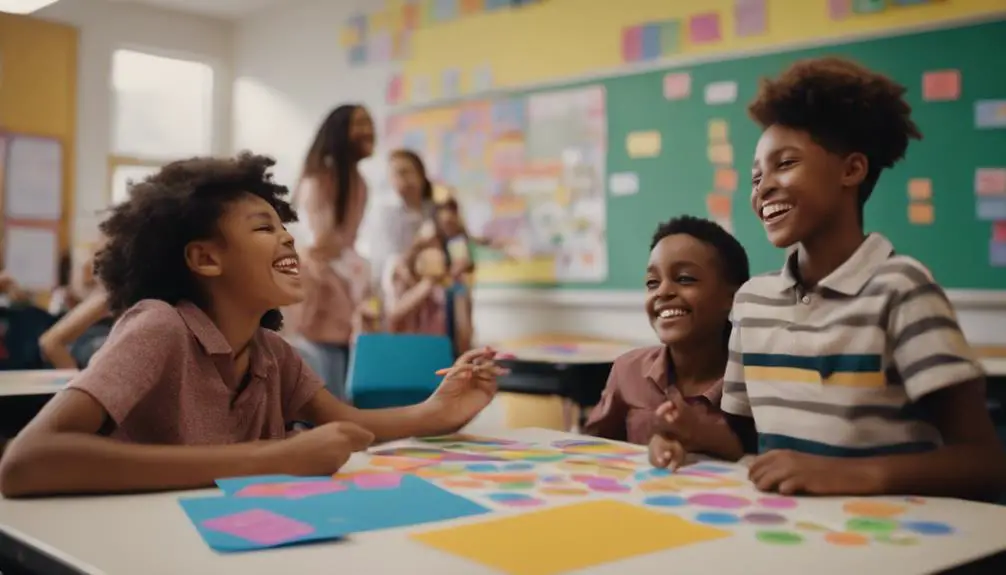
Build a dynamic reward system that empowers students and enhances engagement—discover the key strategies that could revolutionize your classroom today.
Build a dynamic reward system that empowers students and enhances engagement—discover the key strategies that could revolutionize your classroom today.
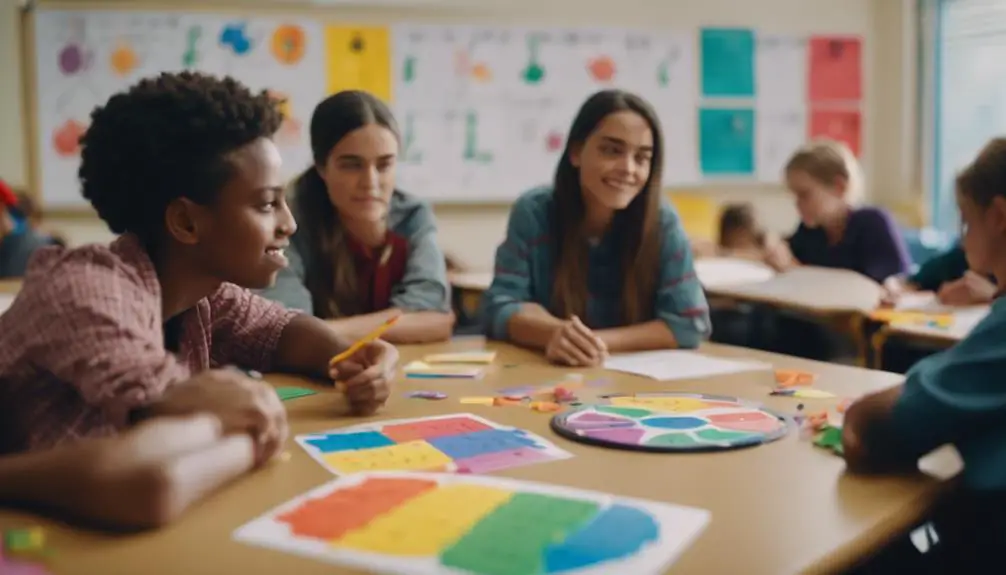
I explore the ethical considerations of classroom reward systems and their potential impact on student motivation and relationships, raising questions that demand careful reflection.
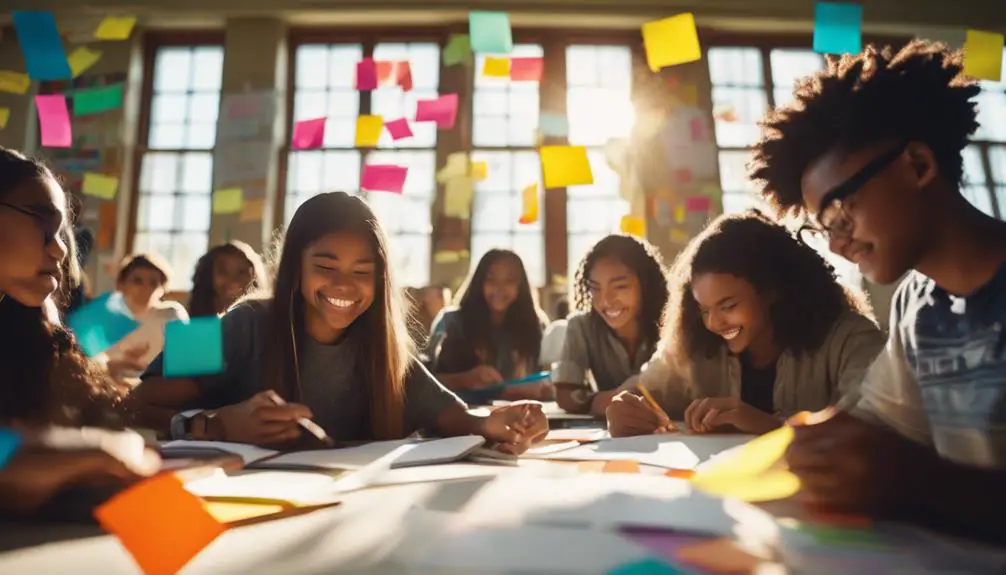
Students can unlock their true potential by understanding the difference between growth and fixed mindsets—what could this shift mean for your success?
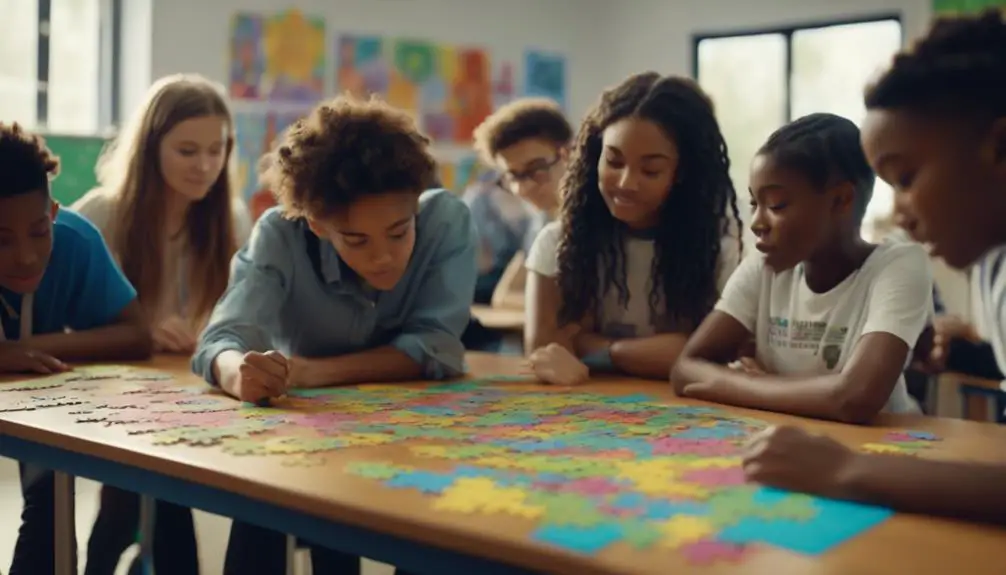
Noticing how growth mindset strategies transform classrooms can inspire educators; discover impactful examples that foster resilience and collaboration among students.
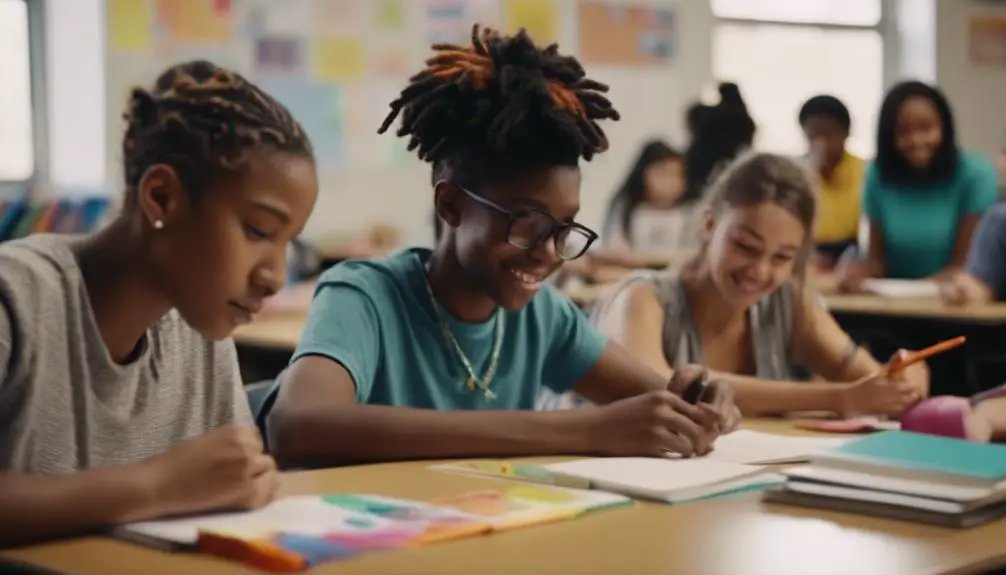
Discover effective transition methods in the classroom that enhance engagement and learning—could the right strategies transform your teaching approach?
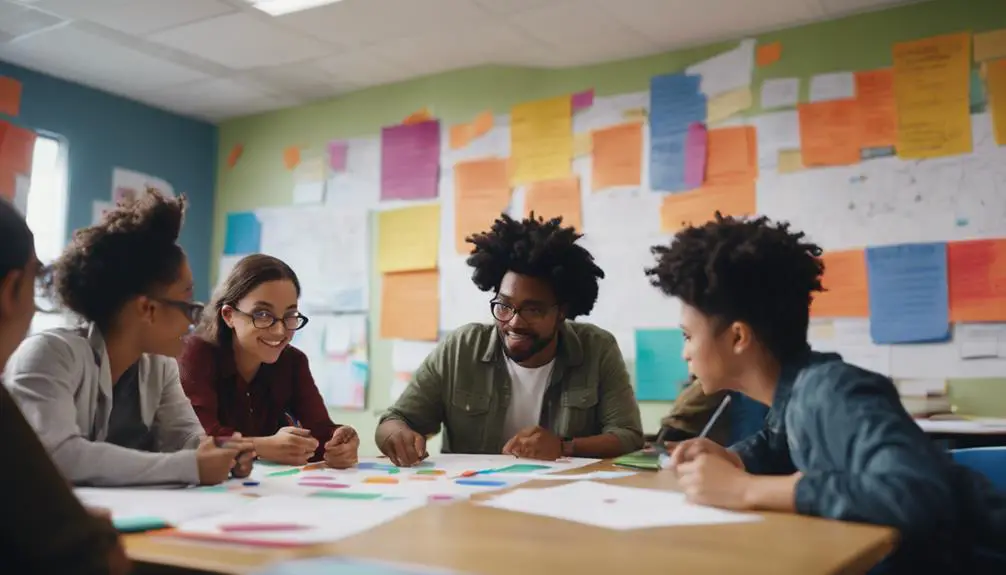
How can clear processes transform classroom teamwork and enhance student engagement? Discover the key elements that lead to a more productive learning environment.
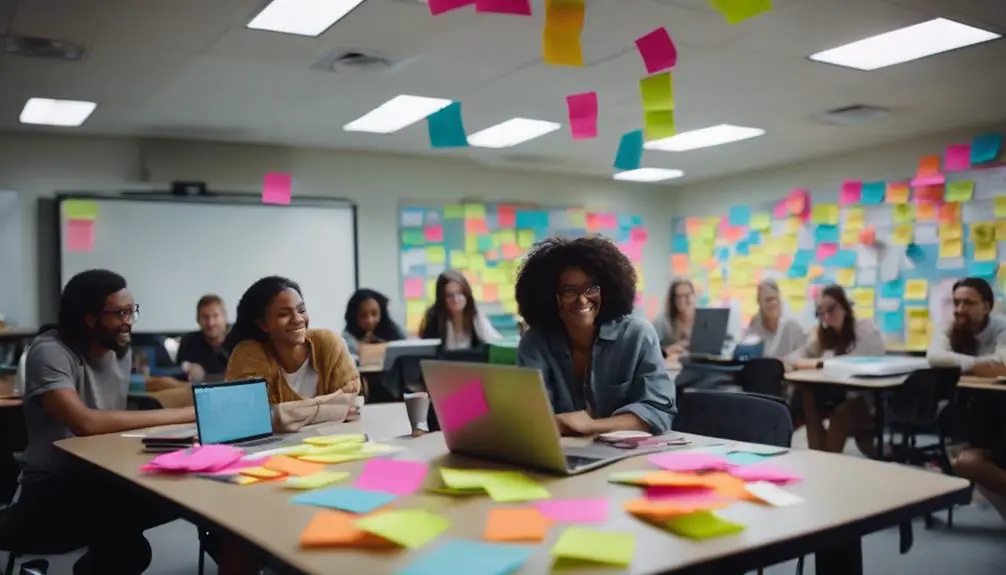
What are the essential guidelines for effective group work in the classroom, and how can they transform student collaboration for better outcomes?
I explore effective strategies to foster open dialogue in the classroom, but what techniques truly encourage students to share their thoughts and feelings?